Advertisement
Bilberry Health Benefits: An Overview
Bilberry (Vaccinium myrtillus L.) fruit and leaves have been used in traditional herbal practices, and the fruit is rich in tannins, flavonoids and anthocyanosides, according to a review of bioactive compounds published in 2022 [1].
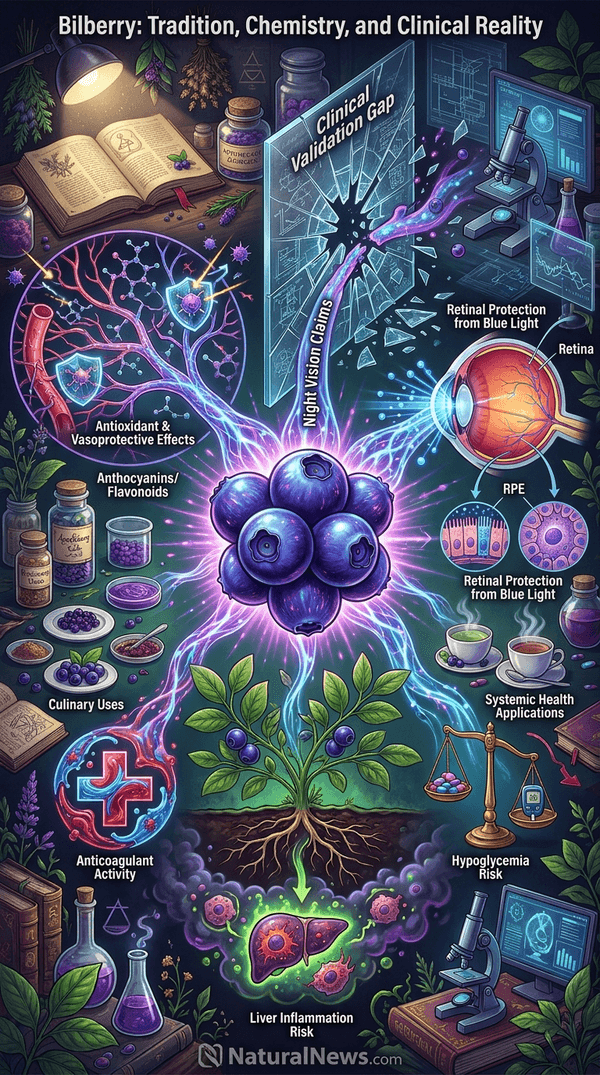
Research interest in bilberry continues, but controlled clinical studies have not conclusively confirmed all traditional claims, including enhanced night vision, according to the same review [1].
Bilberry’s deep color comes from anthocyanins, plant pigments that give red, blue and purple plants their color. Bilberries are considered one of the best natural sources of these compounds, according to Mercola.com [2]. This pigment content has made bilberry a subject of interest in nutrition and botanical research, though the evidence base for specific health outcomes remains mixed.
Traditional Use and Bioactive Compounds
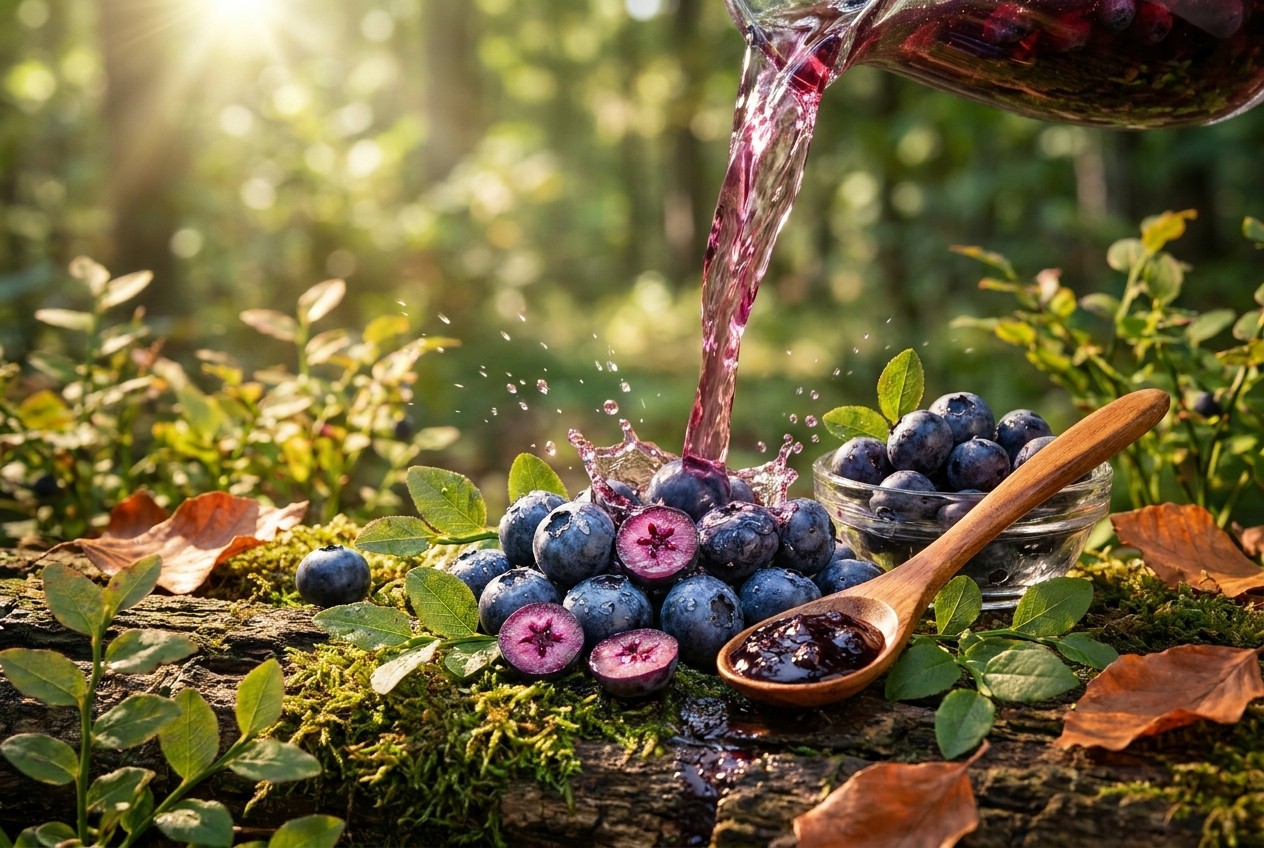
Bilberry is known by several common names, including blaeberry, whortleberry, myrtle blueberry, winberry, fraughan and huckleberry, according to the source article [1]. Bilberries are used in pies, crêpes, tarts and jams and can be eaten fresh or consumed as juice [3]. Historically, bilberries were foraged and consumed in various forms, and the leaves were also used in traditional preparations [4].
Anthocyanosides are flavonoid compounds studied for their antioxidant and vasoprotective effects. Bilberries are also rich in tannins and flavonoids in addition to anthocyanosides [1].
The leaves of the bilberry plant have also been used traditionally, although for regular consumption, it is better to avoid the leaves as they contain chemicals that can cause liver inflammation, according to NaturalNews.com [4]. The review noted that extracts from bilberry fruits and leaves have a long history of use for vision-related ailments and elevated blood sugar levels [1].
Eye and Vision Research
According to a systematic review of placebo-controlled trials cited in the source article, controlled clinical studies have not conclusively confirmed bilberry’s ability to improve night vision [1]. The Textbook of Natural Medicine states that interest in bilberry anthocyanosides was first aroused when administration of bilberry extracts to healthy subjects resulted in improved night-time visual acuity, quicker adjustment to darkness, and faster restoration of visual acuity after exposure to glare [5].
The Textbook of Natural Medicine notes that the same mechanisms of action that benefit the eye are of value for other health problems, especially those involving capillary dysfunction or inflammation [6].
A study from Kyung Hee University in South Korea reported that polyphenols in bog bilberry can protect the retina from damage caused by blue light, according to NaturalNews.com [7]. The researchers published their findings in the journal Nutrition Research and hypothesized that bilberry polyphenols could protect retinal pigment epithelial cells from damage caused by blue light [7].
Cardiovascular, Metabolic and Other Potential Uses
The Textbook of Natural Medicine states that anthocyanoside extracts from bilberries have demonstrated significant vascular smooth muscle-relaxing effects in a variety of experimental models, and a preliminary study demonstrated positive effects for dysmenorrhea [8].
Safety, Side Effects and Purchasing
Bilberry has anticoagulant activity and may cause hypoglycemia when used with medication for high blood sugar.
Bilberry is available fresh or dried in grocery and natural food stores and as extract or tea in herbal food stores and online.
Conclusion
Bilberry is a traditional botanical with naturally occurring bioactive compounds and a range of potential health-supporting uses.
According to the source, evidence for specific benefits varies.
References
- Bilberries: Curative and Miraculous – A Review on Bioactive …. https://pmc.ncbi.nlm.nih.gov/articles/PMC9277355/
- What Are the Benefits of Bilberry – Mercola.com, October 12, 2020.
- Bilberries The wild blueberry powerhouse of antioxidants and flavor – NaturalNews.com, February 19, 2025.
- Bilberries The Berry that Enhances Vision – NaturalNews.com, February 11, 2009. by NaturalNews.com
- Textbook of Natural Medicine Volume 1. by Joseph E Pizzorno and Michael T Murray
- Textbook of Natural Medicine Fifth Edition. by Dr Michael T Murray
- Polyphenols in bog bilberry protect eyes against blue light damage – NaturalNews.com, May 09, 2019.
- Textbook of Natural Medicine by Murray Michael TPizzorno Joseph E
Explainer Infographic
Advertisements


Food.News © 2026 All Rights Reserved. All content posted on this site is commentary or opinion and is protected under Free Speech. Food.News is not responsible for content written by contributing authors. The information on this site is provided for educational and entertainment purposes only. It is not intended as a substitute for professional advice of any kind. Food.News assumes no responsibility for the use or misuse of this material. Your use of this website indicates your agreement to these terms and those published on this site. All trademarks, registered trademarks and servicemarks mentioned on this site are the property of their respective owners.