Advertisement
- Iodine and selenium are foundational nutrients for thyroid hormone production and protection.
- Skipping meals or restrictive low-carb diets can signal starvation to the body, slowing thyroid function.
- Raw cruciferous vegetables, legumes and seeds contain goitrogens that can impair thyroid activity if not prepared correctly.
- Quality of meat matters, as grain-fed animals may accumulate fats and pesticide residues that disrupt thyroid metabolism.
- Regular testing, avoiding smoking and excess caffeine, and consulting a doctor are crucial alongside dietary management.
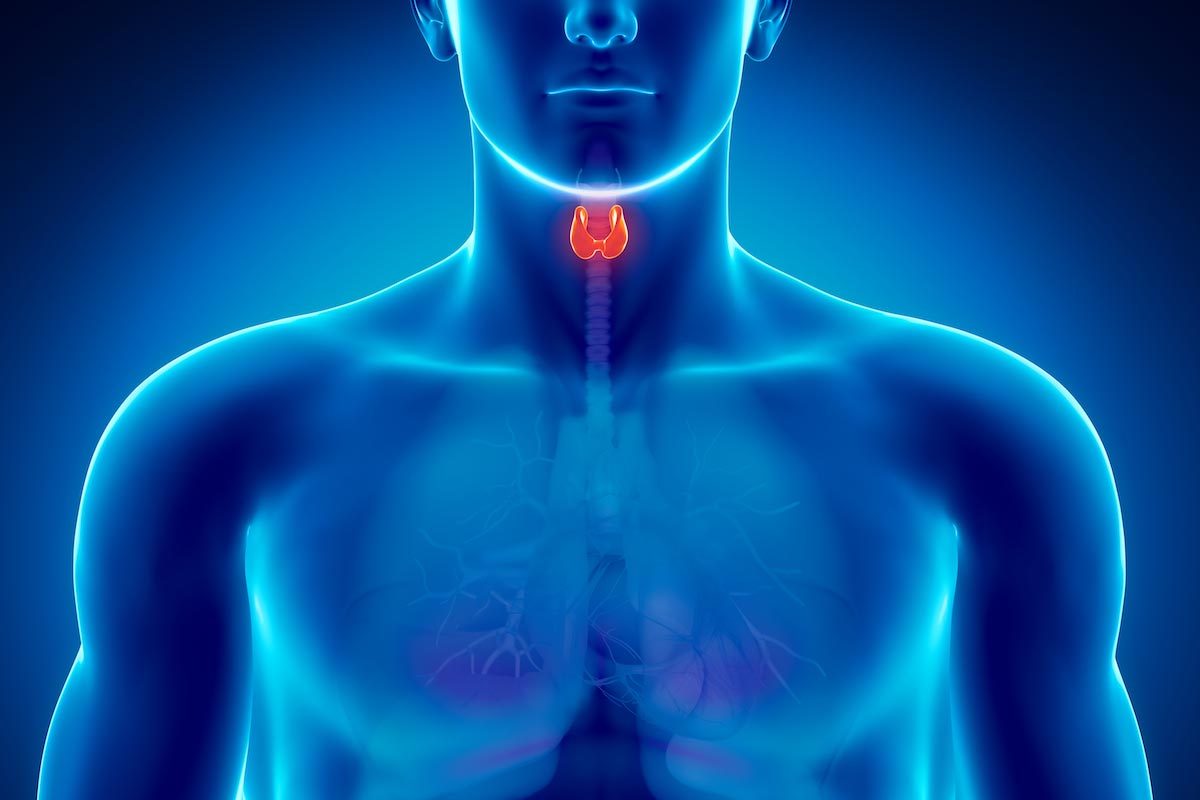
For millions managing thyroid dysfunction, the path to wellness is often paved with good intentions—supplements, exercise and careful eating. Yet, emerging insights from nutrition experts reveal that several common, seemingly healthy dietary habits can inadvertently counteract these efforts, slowing metabolism, exacerbating fatigue and hindering treatment. The thyroid gland, a master regulator of metabolism, energy and mood, has specific nutritional needs that extend beyond simply ingesting key nutrients like iodine and selenium. Avoiding critical missteps in meal timing, food preparation and sourcing is equally vital for optimal function.
The critical balance of iodine and selenium
The thyroid’s primary function is to produce hormones, chiefly thyroxine (T4) and triiodothyronine (T3). Iodine is the fundamental building block of these hormones, and a deficiency can lead to hypothyroidism, characterized by weight gain, fatigue and cold intolerance. Seafood, dairy, eggs and iodized salt are primary dietary sources. However, the nutrient’s role is a case of precise balance; excessive iodine intake can be harmful, potentially triggering hyperthyroidism. Selenium acts as a crucial partner, an antioxidant that protects the thyroid gland from damage and aids in the conversion of T4 to the more active T3. Just one or two Brazil nuts daily can provide a sufficient selenium boost, underscoring how small, targeted dietary choices can yield significant benefits.
Mistake One: Starvation signals from skipped meals and low-carb diets
Perhaps the most counterintuitive misstep for thyroid patients is adopting overly restrictive eating patterns. The thyroid is the body’s metabolic pacemaker, closely monitoring energy availability. When meals are skipped or carbohydrates are severely limited, the liver’s glycogen stores—its reserve of glucose—deplete. Since the liver is responsible for converting a majority of T4 into active T3, low glycogen signals a state of famine. In response, the body downregulates thyroid function and metabolism to conserve energy. This survival mechanism manifests as symptoms like persistent fatigue, weight gain, poor circulation and dry skin. For thyroid health, consistent intake of balanced meals with healthy carbohydrates, proteins and fats is non-negotiable.
Mistake Two: The raw truth about goitrogenic foods
The health halo around foods like kale, broccoli, cauliflower and raw seeds can obscure a potential downside for those with compromised thyroid function. These foods contain natural compounds called goitrogens, which can interfere with thyroid hormone synthesis, particularly when consumed raw and in large quantities. Legumes and beans also possess these properties and can be difficult to digest. The solution is not elimination but intelligent preparation. Cooking cruciferous vegetables significantly reduces their goitrogenic activity. Soaking or sprouting nuts and seeds before consumption can also minimize anti-nutrients, making these foods safer and more beneficial for thyroid patients.
Mistake Three: Overlooking the source of your meat
The adage “you are what you eat” extends to the animals we consume. The quality of meat matters profoundly for thyroid health. Conventionally raised, grain-fed livestock are often fed diets high in soy and corn, which increases the polyunsaturated fat content in their tissue. These fats, when consumed, can potentially suppress thyroid function. Furthermore, the grains fed to these animals are frequently treated with pesticides that act as endocrine disruptors, interfering with normal thyroid hormone metabolism. Opting for organic, grass-fed, or pastured meats minimizes exposure to these disruptive compounds and provides a healthier fat profile.
Mistake Four: The lifestyle and diagnostic oversights
Beyond the plate, lifestyle choices and medical vigilance play decisive roles. Smoking and excessive alcohol consumption can suppress thyroid function and interfere with iodine uptake. While caffeine in moderation may have anti-inflammatory benefits, excess intake can disrupt thyroid-stimulating hormone (TSH) levels. Crucially, self-management without professional guidance is a significant risk. The symptoms of thyroid dysfunction—spanning fatigue, weight changes, mood disorders and temperature sensitivity—overlap with many other conditions. Regular testing of TSH, T4 and T3 levels under a doctor’s supervision, coupled with taking prescribed medication correctly, forms the indispensable foundation upon which any dietary strategy must be built.
A holistic path to metabolic harmony
The journey to supporting thyroid health is a nuanced interplay of strategic nutrition and disciplined lifestyle management. It requires moving beyond a simplistic focus on “good” and “bad” foods to understanding timing, preparation and sourcing. Historically, thyroid disorders like goiter were linked to plain iodine deficiency. Today, the challenge is more complex, involving nutrient balance, environmental toxins and dietary patterns that conflict with the gland’s ancient metabolic programming. By avoiding these common dietary pitfalls—ensuring consistent energy intake, properly preparing goitrogenic vegetables, choosing high-quality meats and partnering with healthcare providers—individuals can create an internal environment where the thyroid gland is supported rather than sabotaged, paving the way for improved energy, metabolism and overall well-being.
Sources for this article include:

Advertisements


Food.News © 2026 All Rights Reserved. All content posted on this site is commentary or opinion and is protected under Free Speech. Food.News is not responsible for content written by contributing authors. The information on this site is provided for educational and entertainment purposes only. It is not intended as a substitute for professional advice of any kind. Food.News assumes no responsibility for the use or misuse of this material. Your use of this website indicates your agreement to these terms and those published on this site. All trademarks, registered trademarks and servicemarks mentioned on this site are the property of their respective owners.